Journal · 3 minutes read
Brick cladding vs face bricks: which suits your building?
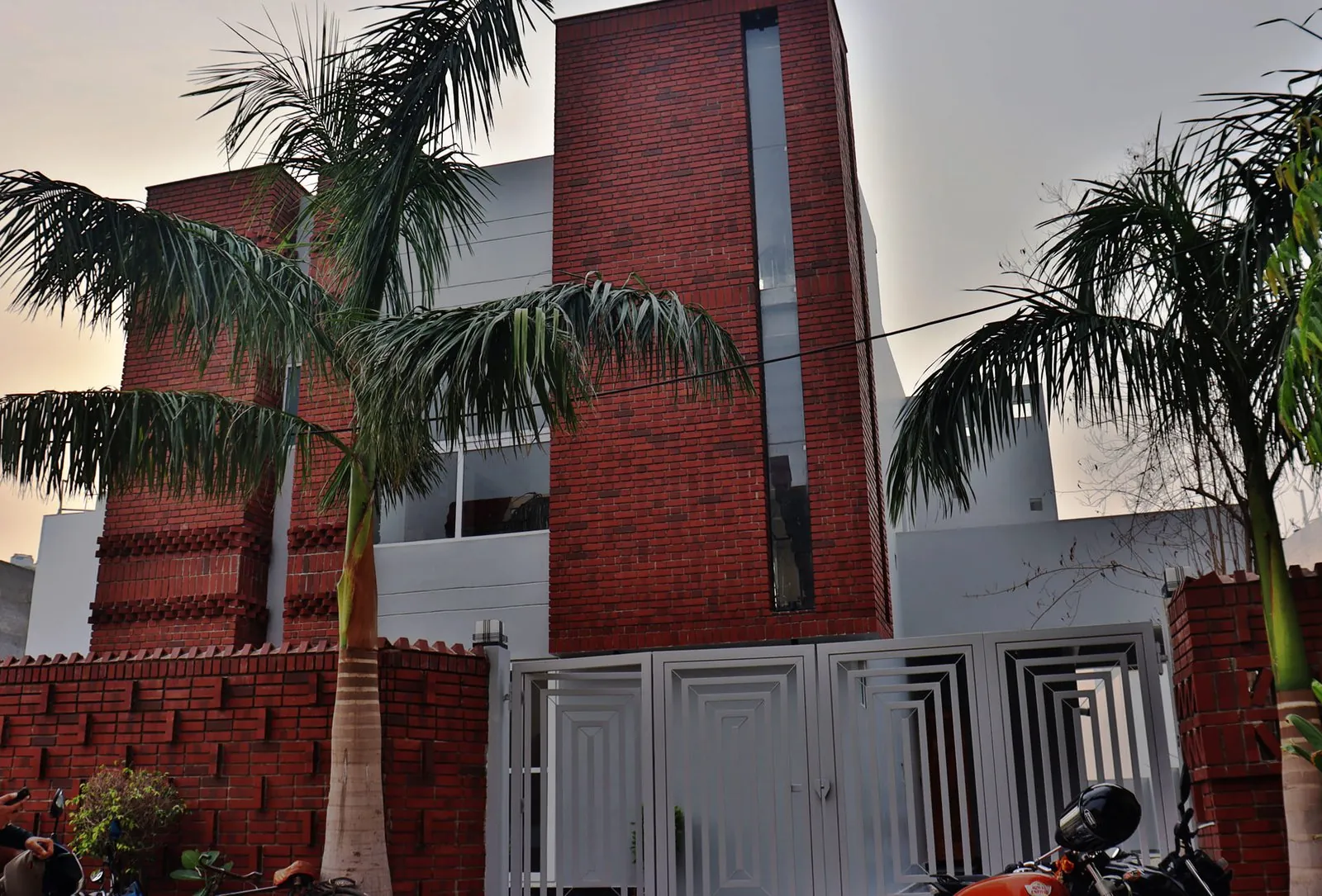
From across the road, a house finished in brick cladding and one built in face bricks can look almost the same. Close up and on the drawing board they are very different products, and picking the wrong one usually shows up as extra cost or a delayed site.
What each one is
Face bricks
A face brick is a full-size brick, made to be seen. The mason lays it as the actual wall and leaves the outer face unplastered. The wall carries load or at least its own weight, and the brick face is part of the structure.
Brick cladding
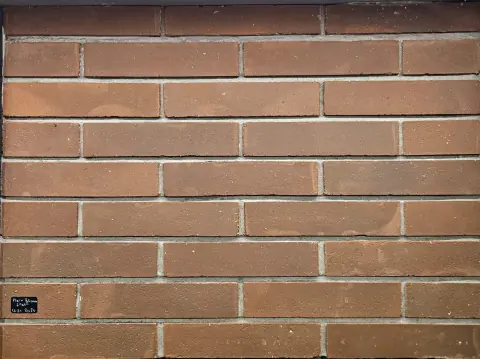
Brick cladding is a thin slice of fired clay, 20 to 30 mm thick in our range, fixed to a wall that already exists. The wall behind can be block, brick or RCC with plaster. The cladding carries nothing; it is a finish, like tiles in a bathroom.
How they compare on site
Timing
Face bricks have to be decided before the walls go up, because they are the walls. Cladding can be decided after the structure is finished, and it can be added to a building that is decades old.
Weight and foundations
A face brick wall is a full masonry wall with the weight that comes with it. A 20 mm tile adds a small fraction of that load to the existing wall, which is why cladding is used on balconies, upper floors and hillside buildings where extra weight is unwelcome.
Skill on site
Face brick work needs a mason who can lay clean, even courses with tidy joints, because there is no plaster to hide mistakes. Cladding needs a tiler who can prepare a flat wall and finish joints neatly. Both are skilled jobs; they are different skills.
Cost
For an existing wall, cladding is nearly always the cheaper route because you are not building anything new. For a new building the comparison is closer: with face bricks you skip the plaster and the cladding layer on those walls, but you need better bricks and better masonry. Ask your architect or contractor to price both for your drawings.
How they look
A well-laid face brick wall shows real depth at the corners: you can see the end of each brick wrapping round. Cladding needs corner pieces or careful mitred cuts to get the same effect, otherwise the thin edge of the tile shows. Inside a room and on flat façades, most people cannot tell the difference.
When to choose which
- Existing building or renovation: brick cladding tiles.
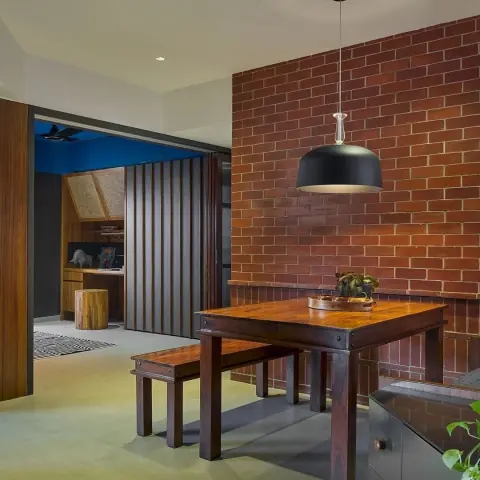
- One feature wall indoors: cladding, almost always.
- New building where the whole façade is brick: price both; face bricks are worth considering.
- Upper floors, balconies, hill sites: cladding, for the lighter load.
- Mixed façades with plaster bands: cladding makes the junctions easier.
If you are unsure, send a photo or the elevation drawing on WhatsApp and we will tell you how much cladding the design needs. The elevation designer is a quick way to try the brick-and-plaster split first.